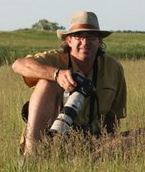
Here are some of the birding/nature events I'll/we'll be attending, speaking at, performing for, and generally enjoying in the months ahead.
Beckham Bird Club, Louisville, Kentucky.
March 14.
Julie and I will be performing "Music of the Birds" for their annual banquet. Check out the BBC's February newsletter for banquet details. I am also hoping they can teach me to
Bend It Like Beckham, one of Phoebe's favorite grrl-power movies.
Chicago Flower Show, Navy Pier, Chicago Illinois,
March 17.
I'll be giving a beginning bird gardening talk (with MUCH help from
Green Thumbs Zickefoose). Power to the Flower People!
Ding Darling NWR, Sanibel Island, Florida,
March 30Jules and I will present our "Identify Yourself" program on bird ID for the final show of the Ding's "
Thursdays at 1:00" lecture series. Hoping to catch a my beloved Pittsburgh Pirates in a spring training game the following day.
Ohio Ornithological Society's Annual Conference, Shawnee State Forest, Portsmouth, Ohio,
April 28-30.
I'll be serving as emcee and field trip leader again this year. It's a special joy to get to introduce my buddy
Jim McCormac each year. I usually do so with a song. The OOS is less than three years old, but we've already got more than 700 members. The annual conference weekend is sure to sell out. Keynote speakers this year are Kenn Kaufman and Philip Hoose.
New River Birding Festival, Fayetteville, West Virginia,
May 3-7.
I love this smallish birding festival because it's got the unbeatable combination of great people and even better birding. We'll try to top our record of 24 warbler species in one day tallied last year. My folks will be there, and so will Julie. We'll bird all day and play music at night.
 Dave Pollard and Geoff Heeter, the two Bearded Wonders of the New River Birding Festival.
World Series of Birding, Cape May Point, NJ,
May 11-14.
The
Bird Watcher's Digest/
Houghton Mifflin team will once again be wearing out the seats of our pants by doing a very civilized Big Sit somewhere birdy. Details to follow. Visitors welcome (as long as you bring the hoagies).
 The BWD/HMCO Gnatty Redstarts at the 2005 World Series of Birding. Our Big Sit location was at The Wetlands Institute in Stone Harbor.
, Jamestown, North Dakota,
June 6-11.
We love North Dakota and have made many dear friends (feathered and unfeathered) in this beautiful and very birdy part of the world. If you've never been bird watching in native prairie, you are really missing out.
 Upland sandpipers are common sights at the Potholes and Prairie Birding Festival.
, Chautauqua, New York,
August 8-12.
Julie and I are on the Special Studies faculty for Week 7 of the 2006 Chautauqua season. We'll be giving presentations on the "Bird Friendly Backyard" theme. We'll also be riding our bikes like crazy and taking the kids for ice cream every night. "Kids, Daddy has to taste the ice cream first to make sure it's OK..."
 My afternoon Bird Chat for the Bird, Tree, & Garden Club of Chautauqua was interrupted repeatedly by nesting red-headed woodpeckers.
 Volcan San Pedro, at dawn on 3/3/06, viewed from across Lake Atitlan. This is how I started my birthday!
 I have been digiscoping my huipil off here in Guatemala. This is my favorite tanager, the blue-gray tanager.
 Our group along the trail at Los Andes, a coffee farm on the edge of the cloud forest. This is where I saw one of my dream birds.
 Houghton Mifflin donated Spanish-language Kaufman Bird Guides for me to give to birding guides and kids in Guatemala. I gave two to the school at Los Andes.
 Although we don't all look happy, we have just all gotten highland guan for a life bird.